Blog

China Top 10 Open Ear OWS Earbuds Manufacturers?

China Top 10 Open Ear OWS Earbuds Manufacturers?

Open ear OWS earbuds are moving from niche accessories to everyday audio tools. Their open design leaves the ear canal unobstructed, helping users stay aware of nearby voices, traffic, and workplace sounds. Yet openness alone does not guarantee comfort or clear audio. Fit, sound leakage, battery life, call quality, and stable Bluetooth performance still matter. China has a deep supply chain for acoustic components, batteries, plastics, and product assembly. That can support rapid development, but a factory’s location is not proof of quality. Buyers should examine production experience, testing methods, quality controls, and after-sales support. A polished sample is useful. Consistent batches matter more. Headphone researcher Dr. Sean Olive’s published work offers a relevant principle: listener preference matters when judging audio quality. This is a paraphrase, not a direct quotation. A careful comparison should therefore consider both measurements and real listening, rather than relying on a brand’s claims alone. Try calls in a noisy street. Check whether glasses press against the ear hooks. Listen for thin vocals or bass that disappears outdoors. This guide explores ten Chinese manufacturers associated with Open ear OWS earbuds and the capabilities buyers may want to verify. Company rankings can change, and public information may be incomplete. Treat this list as a starting point, not a final endorsement. Some details deserve a second look.
Read more »
Oliver By:Oliver - October 31, 2026
How to Choose True Wireless TWS Earbuds for Wholesale?

How to Choose True Wireless TWS Earbuds for Wholesale?

Choosing True wireless TWS earbuds for wholesale requires more than comparing prices and glossy product photos. A buyer must examine sound quality, battery performance, comfort, connectivity, packaging, and supplier reliability together. In real purchasing work, small details often decide whether a product succeeds. A loose charging case hinge, weak microphone, or uncomfortable ear tip can create returns within weeks. Start by defining the target customer and sales channel. Office users may value clear calls, while commuters often expect strong noise reduction and stable Bluetooth performance. Check the chipset, Bluetooth version, battery capacity, charging speed, microphone structure, and water-resistance rating. Ask for samples before placing a large order. Test each earbud separately, then test both in a busy street, a quiet office, and a long video call. Do not trust specifications alone. A professional supplier should provide consistent samples, transparent factory information, quality-control records, and suitable compliance documents for the destination market. Packaging should protect the case during transport and communicate essential product information clearly. Warranty terms also deserve attention. A low unit price can become expensive when defects, delayed replacements, and unclear communication appear later. There is no perfect model. I have seen attractive earbuds fail because their touch controls were too sensitive. I have also seen modest designs perform better after careful tuning. That is why wholesale decisions should combine hands-on testing, supplier audits, customer feedback, and realistic margin calculations. The best choice is not always the newest product. It is the model that performs reliably, fits the market, and supports sustainable cooperation.
Read more »
Elliot
By:Elliot - October 26, 2026
China Best Womens Fitness Smartwatch Supplier Guide

China Best Womens Fitness Smartwatch Supplier Guide

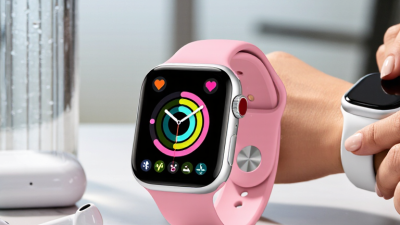
China Best Women’s Fitness Smartwatch Supplier Guide examines how buyers can select reliable Chinese manufacturers for a fast-changing wearable market. The opportunity is substantial. IDC reported 537.6 million wearable devices shipped worldwide in 2024, representing 11.7% annual growth. Counterpoint Research also reported continued expansion in China’s smartwatch market, supported by health tracking and connected-device demand. These figures indicate strong potential for a women-focused product. Yet market growth does not guarantee supplier quality. A capable Women’s fitness smartwatch supplier should demonstrate more than attractive product images. Buyers should review heart-rate accuracy, sleep-tracking methods, GPS performance, battery testing, and app stability. A prototype should survive daily movement, sweat, charging cycles, and repeated screen touches. Small details matter. A loose strap can damage user confidence. This guide focuses on supplier experience, engineering capability, production consistency, and after-sales support. It also considers ISO quality systems, Bluetooth compliance, RoHS documentation, and region-specific data protection expectations. Independent laboratory reports are more persuasive than unverified claims. Factory audits and pre-shipment inspections remain practical safeguards. Some suppliers quote impressive sensor accuracy without explaining testing conditions. That weakness deserves attention. No wearable measures every health indicator perfectly, especially during intense exercise or irregular movement. Buyers should therefore request test samples, compare readings with trusted devices, and document performance across different wrist sizes. Market reports provide direction, not certainty. Supplier decisions still depend on transparent communication, traceable components, realistic lead times, and responsive technical support. A lower unit price may hide weaker firmware or costly returns. This guide helps importers evaluate those trade-offs with evidence rather than enthusiasm.
Read more »
Elliot
By:Elliot - October 21, 2026
What Is a 4G SIM Smartwatch and How Does It Work?

What Is a 4G SIM Smartwatch and How Does It Work?

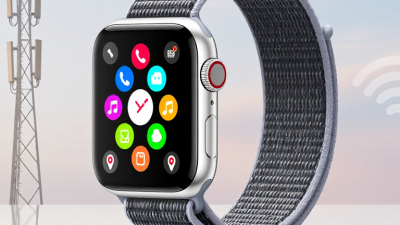
A 4G SIM smartwatch is more than a smaller phone on your wrist. It combines a touchscreen, sensors, battery, and cellular modem in one compact device. A physical SIM card or eSIM connects it to a mobile network. This connection can support calls, messages, location sharing, music streaming, and emergency communication without a nearby smartphone. Industry analyst Jitesh Ubrani has described this direction clearly: “The smartwatch is becoming a more independent device.” That observation explains the appeal of a 4G SIM smartwatch. When the watch registers with a carrier, it exchanges data through nearby 4G towers. Its microphone and speaker handle voice calls. GPS identifies outdoor position, while Wi-Fi and Bluetooth may reduce cellular battery use. The details matter. Not every watch supports every carrier, frequency band, or calling service. A cellular plan may also require a compatible phone account. Battery life can fall quickly in weak-signal areas, during long calls, or while using GPS. Small screens can make typing awkward. That is a real limitation. Still, the experience can feel remarkably practical. A child can contact a parent from a school gate. A runner can leave a phone at home. An older user can share a location with fewer steps. These benefits depend on network coverage, careful setup, and responsible use. The technology is useful, but not magical. This guide explains the hardware, connection process, costs, safety considerations, and everyday limits behind a 4G SIM smartwatch.
Read more »
Elliot
By:Elliot - October 16, 2026
Top 10 Android Smartwatches With Selfie Cameras?

Top 10 Android Smartwatches With Selfie Cameras?

Smartwatches have moved beyond step counting, but selfie cameras remain an unusual feature. The market is growing, though the camera segment is still small. According to IDC’s Worldwide Quarterly Wearable Device Tracker, global wearable shipments reached approximately 537.7 million units in 2024. Counterpoint Research also reported weakness in the global smartwatch market during 2024, showing that demand is not growing evenly across every category. These figures matter because a popular wearable market does not guarantee reliable camera watches. Many products use basic front-facing sensors, while others only support remote phone photography. That difference matters. This guide examines the top 10 Android smartwatches with selfie cameras using practical criteria. We consider Android compatibility, camera placement, image quality, video support, battery life, display brightness, calling functions, software reliability, and available customer support. A tiny lens near the screen may capture a quick face photo, but it may struggle in a dim café or under bright outdoor light. Some watches also advertise camera control instead of a built-in selfie camera, which can confuse buyers. Market research from Grand View Research identifies strong long-term growth in the broader smartwatch industry, but it does not prove that camera-equipped models are equally mature. That is an important limitation. Product specifications can change, regional availability can differ, and user reviews may reveal problems missed by laboratory testing. We therefore treat manufacturer claims carefully and compare them with hands-on evidence, technical documentation, and independent reporting. The result is not a perfect ranking. It is a practical starting point for anyone searching for an Android smartwatch with selfie camera.
Read more »
Oliver By:Oliver - October 11, 2026
10 Tips to Choose the Best Round Dial Smartwatch

10 Tips to Choose the Best Round Dial Smartwatch

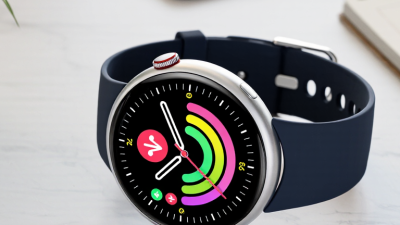
Choosing a Round dial smartwatch is no longer a simple style decision. The market now combines health sensors, mobile connectivity, sports tracking, and increasingly capable software. Counterpoint Research’s Global Smartwatch Shipments Tracker has reported intense competition and changing consumer preferences across major brands. IDC’s Worldwide Quarterly Wearable Device Tracker also shows a mature wearable category, where design, battery life, and ecosystem compatibility strongly influence buying decisions. The details matter. A round case may resemble a traditional watch, but its comfort depends on weight, bezel thickness, strap flexibility, and screen readability. A bright display can help outdoors. It can also consume more power. Skin-temperature sensing sounds useful, yet accuracy may vary with fit, activity, and environment. Small compromises remain. Ramon T. Llamas, a former IDC research director specializing in wearable technology, once observed, “The smartwatch market is still in its infancy.” That comment remains useful, even if the industry has developed considerably. Features change faster than expectations. Marketing claims can also sound more precise than real-world performance. This guide presents ten practical tips for evaluating a Round dial smartwatch, using manufacturer specifications, independent testing, and everyday experience rather than appearance alone. Check the evidence. Wear the watch for a full day, not just five minutes in a showroom. Some recommendations may not suit every wrist, phone, or lifestyle, and that limitation deserves honest attention.
Read more »
Oliver By:Oliver - October 6, 2026
What Is the Best Square Dial Smartwatch in 2026?

What Is the Best Square Dial Smartwatch in 2026?

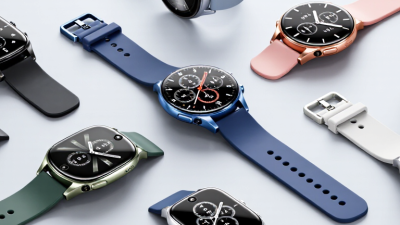
Choosing the best Square dial smartwatch in 2026 is not simply a matter of picking the brightest screen. Shape matters, but comfort, software reliability, health tracking, and battery life often decide daily satisfaction. A square case can display messages clearly, while its sharper corners may feel less comfortable on smaller wrists. Small details become important. This guide compares leading square watches through practical criteria, including display readability, strap quality, water resistance, sensor performance, and long-term software support. It also considers real routines: checking notifications during a commute, reading workout data under bright sunlight, or charging beside the bed overnight. Manufacturer specifications provide a useful starting point, but independent testing and user feedback can reveal limitations that product pages rarely explain. No single model will suit everyone. A runner may value accurate location tracking, while an office user may prefer discreet notifications and a lightweight design. Some watches promise advanced health insights, yet results can vary with skin contact, movement, and regional software availability. That deserves caution. This comparison aims to separate measurable strengths from attractive marketing, using current information and transparent standards where possible. The best choice may not be the most expensive model, and even a highly rated watch can have compromises. Expect a thoughtful comparison, not a perfect verdict.
Read more »
Oliver By:Oliver - October 1, 2026
How to Choose an AMOLED Display Smartwatch?

How to Choose an AMOLED Display Smartwatch?

Choosing an AMOLED display smartwatch involves more than admiring bright colors in a shop. AMOLED panels can show deep blacks and vivid details, making maps, workout metrics, and notifications easier to scan. Yet a beautiful screen can still disappoint outdoors or drain the battery quickly. That matters. Market context helps, but it cannot choose a watch for you. Counterpoint Research’s Global Smartwatch Shipments Tracker reported 4% year-over-year growth in global smartwatch shipments in 2024, after a 1% decline in 2023. These figures describe shipments, not display quality. Numbers need context. They do show why shoppers face a broad, changing selection, with different designs and feature priorities. A useful comparison starts with the details you will notice daily: screen size, resolution, peak brightness, and always-on display behavior. Check whether text stays readable under midday sun, and whether the watch dims sensibly indoors. Then compare battery life with AMOLED features enabled, not just the maker’s best-case estimate. Consider the case material, water resistance, software support, health sensors, and phone compatibility, too. An impressive panel cannot compensate for a poor fit or confusing controls. Trade-offs remain. This guide explains how to weigh those factors, interpret specifications, and choose a watch that suits your routine rather than a product-page headline. It also flags a common mistake: treating a higher brightness number as proof of a better overall screen.
Read more »
Amelia By:Amelia - September 25, 2026
7 Tips for Choosing a Bluetooth Calling Smartwatch

7 Tips for Choosing a Bluetooth Calling Smartwatch

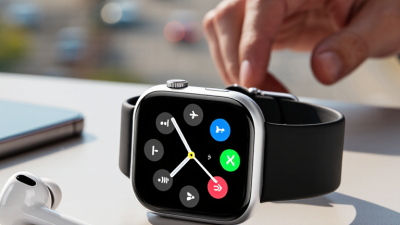
A wrist call sounds convenient until traffic noise swallows a sentence or the watch slips beneath a jacket cuff. Choosing a Bluetooth calling smartwatch involves more than checking whether it has a microphone and speaker. Comfort, phone compatibility, call controls, battery life, and dependable Bluetooth performance all shape everyday use. Small details matter. The market is large, but market growth alone cannot identify a good watch. IDC reported that worldwide wearable-device shipments reached 534.6 million units in 2024, up 6.1% from 2023. That figure covers many wearable categories, not just calling watches, so it is useful context rather than proof of call quality. The Bluetooth SIG’s 2023 Market Update projected annual Bluetooth device shipments would reach seven billion by 2028. This broad forecast also includes products beyond smartwatches. Neither report tells you how clearly a particular model handles a call in a busy street. That is where practical checks matter: microphone placement, speaker volume, connection stability, and whether calls work with your phone. A bright display is less helpful if tiny buttons are awkward during a walk. Battery claims deserve scrutiny, too; frequent calls may shorten time between charges. No single specification guarantees a satisfying experience. The seven tips below turn these trade-offs into concrete checks, helping you compare watches against your routine instead of relying on marketing language alone.
Read more »
Oliver By:Oliver - September 25, 2026