A 4G SIM smartwatch is more than a smaller phone on your wrist. It combines a touchscreen, sensors, battery, and cellular modem in one compact device. A physical SIM card or eSIM connects it to a mobile network. This connection can support calls, messages, location sharing, music streaming, and emergency communication without a nearby smartphone.
Industry analyst Jitesh Ubrani has described this direction clearly: “The smartwatch is becoming a more independent device.” That observation explains the appeal of a 4G SIM smartwatch. When the watch registers with a carrier, it exchanges data through nearby 4G towers. Its microphone and speaker handle voice calls. GPS identifies outdoor position, while Wi-Fi and Bluetooth may reduce cellular battery use.
The details matter. Not every watch supports every carrier, frequency band, or calling service. A cellular plan may also require a compatible phone account. Battery life can fall quickly in weak-signal areas, during long calls, or while using GPS. Small screens can make typing awkward. That is a real limitation.
Still, the experience can feel remarkably practical. A child can contact a parent from a school gate. A runner can leave a phone at home. An older user can share a location with fewer steps. These benefits depend on network coverage, careful setup, and responsible use. The technology is useful, but not magical. This guide explains the hardware, connection process, costs, safety considerations, and everyday limits behind a 4G SIM smartwatch.
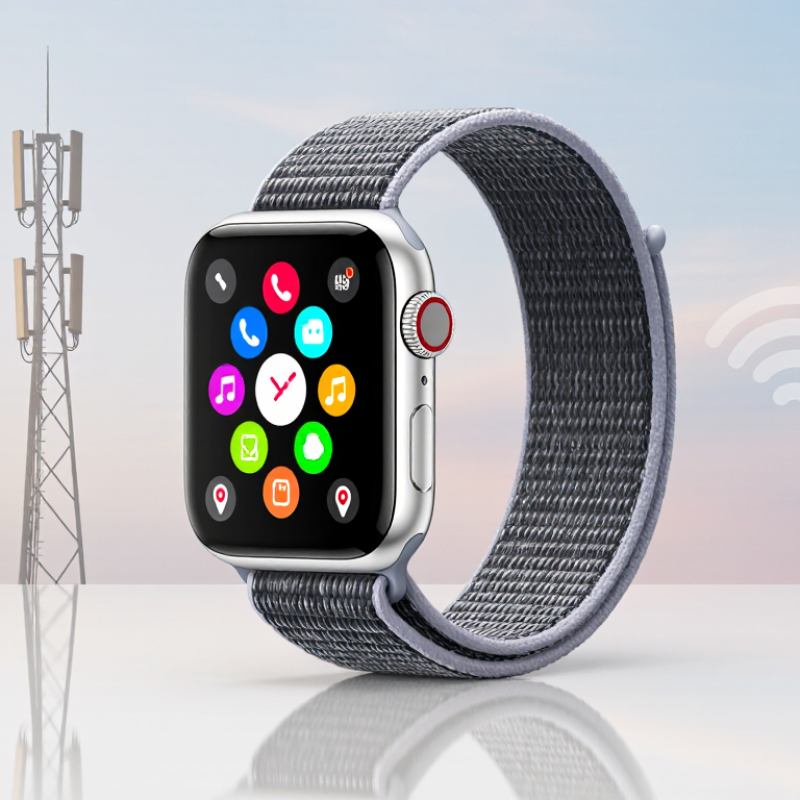
A 4G SIM smartwatch is a wearable device with an LTE cellular modem and a SIM or eSIM. Unlike a Bluetooth-only watch, it can connect to mobile networks without staying near a phone. The SIM identifies the watch to the network, while the modem handles calls, messages, location data, and internet access. Many models also include GPS, microphones, speakers, and emergency contact functions.
The setup is practical. A user activates a compatible mobile plan, inserts a nano-SIM, or scans an eSIM profile. After registration, the watch communicates through nearby 4G towers. It can receive a call during a walk, send a location update, or stream basic data independently. Network coverage and supported LTE bands still matter. A strong signal helps, but indoor walls can weaken it.
Industry data shows why this category is growing. The GSMA’s Mobile Economy 2024 report estimates that mobile technologies generated 5.8% of global GDP in 2023, showing the scale of connected services. Ericsson’s Mobility Report, November 2024 edition, also reports billions of active mobile subscriptions worldwide. These figures provide context, not a guarantee for every watch. Battery life can disappoint when GPS and cellular radios work continuously. The term “smartwatch” sounds simple; real performance is more uneven.
A 4G SIM smartwatch connects to mobile networks through a built-in cellular modem. It uses a physical SIM or embedded SIM to identify the subscriber. After activation, the watch searches for a compatible nearby tower. It then registers with the network, much like a smartphone. The carrier checks the SIM credentials before allowing data, calls, or messages.
When the connection succeeds, the watch receives a temporary network address. Mobile data can then support voice calls, location updates, messages, and cloud services. The modem communicates with nearby 4G towers, while the watch’s antennas handle radio signals. Network coverage, supported frequency bands, and the active data plan all affect performance. A watch may show full signal outdoors but lose service inside concrete buildings. That detail is easy to overlook.
Tips: Check network compatibility before buying. Confirm the watch supports local 4G bands and the required SIM size. The APN settings may need manual entry. Test calling and data outside, then repeat indoors. Battery use can rise sharply when the watch searches for weak signals. Wi-Fi and Bluetooth may help, but they do not replace mobile service. In my experience, setup is rarely difficult, although carrier settings can make it feel less predictable than expected.
A 4G SIM smartwatch connects directly to a mobile network through its SIM or eSIM. It can handle calls, messages, location sharing, and selected online services without a nearby phone. GSMA’s Mobile Economy 2024 report states that 4G represented about 60% of global mobile connections in 2023. That coverage still matters for practical wearable use.
What features can it provide? Many models offer two-way calling, voice messages, contact limits, GPS tracking, geofencing, and an emergency contact button. A child can call from a playground, while a runner can share a live route from a wrist-sized screen.
Health functions may include heart-rate monitoring, step counting, sleep estimates, and reminders to move. These measurements are useful for daily awareness, not medical diagnosis. Accuracy can change with skin contact, motion, and sensor quality.
Battery life often ranges from one to several days, depending on GPS, call duration, and network strength. Ericsson’s Mobility Report forecasts global mobile data traffic will rise sharply through 2029, so efficient radios and background controls are becoming more important. Yet feature lists can mislead. GPS may drift near tall buildings, and indoor positioning can be weak. I would test calling, location updates, and battery endurance in real routines before trusting the watch for urgent situations. Pricing also deserves scrutiny, because cellular service may require a separate monthly plan.
A 4G SIM smartwatch can connect to mobile networks without staying near a phone. Before setup, check that the watch supports your carrier’s 4G bands and SIM size. An unlocked nano SIM is usually required. Confirm that the plan includes calls, messages, and mobile data. Some watches need VoLTE for voice calls.
Turn off the SIM’s PIN on a phone before inserting it into the watch. A locked SIM may prevent registration. Power on the watch, open its settings, and enter the carrier’s APN details if mobile data does not work. The APN must match the carrier’s official instructions. Incorrect values can block internet access. Small details matter.
Pair the watch with its companion application through Bluetooth. Allow only necessary permissions, such as contacts, location, and notifications. Add trusted contacts carefully, then test a call, message, GPS position, and mobile data connection outdoors. GPS can be inaccurate indoors. I once assumed the location feature had failed, but the problem was a weak indoor signal. Keep the watch charged during testing. Review privacy settings, update the software, and check battery use after one normal day. A 4G connection may reduce battery life faster than expected, especially with frequent tracking or calls. Do not depend on the watch alone for urgent communication, because coverage and emergency features vary by location.
A 4G SIM smartwatch connects directly to a mobile network without depending on a nearby phone. Its built-in modem and SIM card support calls, messages, location sharing, and selected apps. When you leave your phone at home, the watch can still contact approved numbers. That independence is its strongest appeal.
The benefits are practical rather than glamorous. Parents can reach children during a walk, while older users may share their location more easily. Outdoor workers can receive short updates without carrying a large device. GPS tracking can also help during unfamiliar journeys, although indoor accuracy may drop near thick walls. A touchscreen, microphone, and speaker make basic communication quick. No phone nearby.
Limitations become obvious after several hours. 4G use, GPS tracking, and a bright screen can drain the battery quickly. Many models need daily charging, which weakens their value during travel or emergencies. Mobile coverage also varies between neighborhoods, buildings, and countries. A separate data plan may add an ongoing cost. Small screens make long messages uncomfortable, and some apps work poorly without a phone. Small screen, big compromise.
Buyers should check network compatibility, SIM requirements, battery testing conditions, water resistance, and privacy settings. Location data deserves careful handling, especially for children. Emergency features should not be treated as guaranteed replacements for local emergency services. I would also question claims based only on laboratory figures, because real use includes cold weather, weak signals, and forgotten charging.
Confirm that it supports your carrier’s 4G bands. Check the SIM size, usually nano SIM. Use an unlocked SIM with calls, messages, and mobile data. Some watches also require VoLTE. Small details matter.
Insert the SIM into a phone first. Turn off the SIM PIN in the phone’s settings. A locked SIM may stop the watch from registering. Then power off the phone and move the SIM carefully.
Open the watch’s network settings. Enter the APN details from your carrier’s official instructions. Check every letter and symbol. Incorrect settings can block internet access completely. This step is easy to underestimate.
Turn on Bluetooth and open the companion application. Pair the watch when it appears. Allow only necessary permissions, including contacts, location, and notifications. Review each permission instead of accepting everything automatically.
Test a call, message, GPS position, and mobile data connection. Perform these tests outdoors. GPS may be inaccurate indoors. Thick walls can weaken the signal. Keep the watch charged during testing.
It can make calls without staying near a phone. Users can share locations and receive short messages. A child might contact an approved adult during a walk. An outdoor worker can check updates without carrying a large device. No phone nearby.
4G, GPS, and a bright screen can drain the battery quickly. Many watches need charging every day. Coverage may change between buildings, neighborhoods, and countries. Small screens make long messages uncomfortable. Small screen, big compromise.
Add trusted contacts carefully. Review location sharing and notification permissions. Update the watch software regularly. Check battery use after one normal day. Do not rely on the watch alone for urgent communication. Coverage and emergency functions vary by location, so my confidence would be limited.
A 4G SIM smartwatch is a wearable device with mobile network connectivity, allowing it to operate more independently from a smartphone. By using a compatible SIM card or embedded mobile service, the watch can connect to 4G networks for calls, messages, location sharing, notifications, and selected online services. Its features may include fitness tracking, health monitoring, GPS positioning, emergency contact options, voice communication, and access to apps, depending on the device and service plan.
To set up a 4G SIM smartwatch, users typically insert or activate the SIM, charge the device, complete the initial settings, and pair it with a phone when required. Network coverage, data availability, battery capacity, and compatibility with local carriers can affect performance. The main advantages are greater mobility, convenient communication, and added independence, especially when carrying a phone is inconvenient. However, these watches may have higher service costs, shorter battery life, smaller screens, and fewer functions than smartphones.
