Choosing the best Square dial smartwatch in 2026 is not simply a matter of picking the brightest screen. Shape matters, but comfort, software reliability, health tracking, and battery life often decide daily satisfaction. A square case can display messages clearly, while its sharper corners may feel less comfortable on smaller wrists. Small details become important.
This guide compares leading square watches through practical criteria, including display readability, strap quality, water resistance, sensor performance, and long-term software support. It also considers real routines: checking notifications during a commute, reading workout data under bright sunlight, or charging beside the bed overnight. Manufacturer specifications provide a useful starting point, but independent testing and user feedback can reveal limitations that product pages rarely explain.
No single model will suit everyone. A runner may value accurate location tracking, while an office user may prefer discreet notifications and a lightweight design. Some watches promise advanced health insights, yet results can vary with skin contact, movement, and regional software availability. That deserves caution. This comparison aims to separate measurable strengths from attractive marketing, using current information and transparent standards where possible. The best choice may not be the most expensive model, and even a highly rated watch can have compromises. Expect a thoughtful comparison, not a perfect verdict.
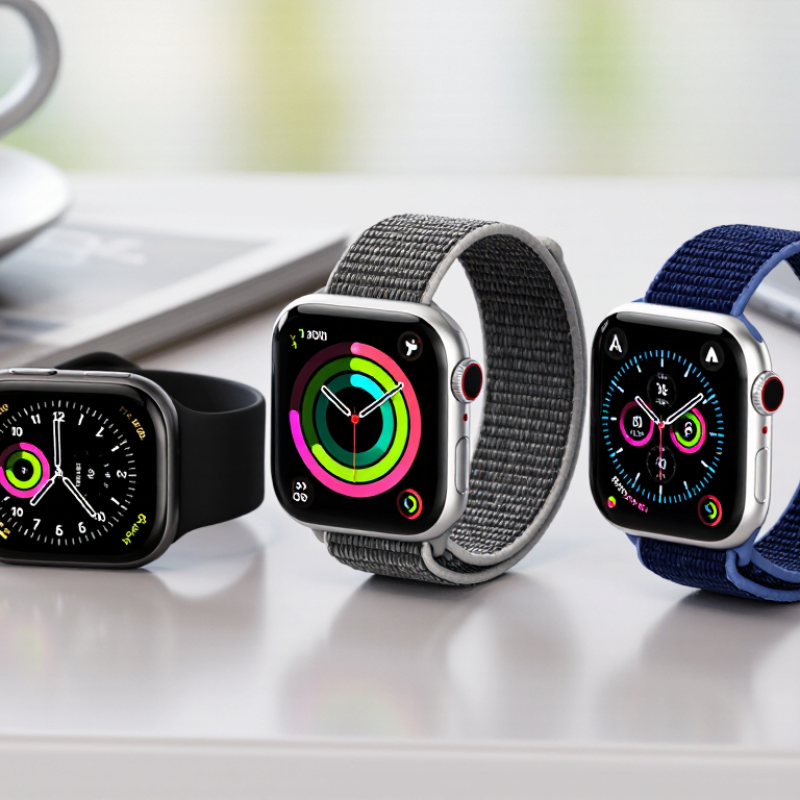
In 2026, a square dial smartwatch is defined by more than four straight edges. Its identity comes from how the display uses that geometry. A near-square screen gives text, maps, workout metrics, and notifications a stable visual grid. The best designs reduce empty corners without making buttons feel crowded. That sounds simple. It is not.
A practical test starts with readability. I compare a watch indoors, under direct sunlight, and during movement. Strong contrast, adaptive brightness, and responsive touch matter more than decorative animations. A square panel should show several data fields clearly while remaining calm at a glance. If the interface merely stretches round-watch menus into a box, the shape feels accidental. Case comfort matters too. Softened corners, balanced weight, and a flexible strap can prevent sleeve catching and wrist pressure.
Reliable health features also define the experience. I look for consistent heart-rate readings, step counts, GPS stability, and useful sleep records. These functions need clear limitations, not inflated promises. Motion, loose fitting, and darker skin tones can affect sensor accuracy. Battery testing should include notifications, workouts, overnight wear, and different brightness levels. Water-resistance documentation, charging speed, repair access, and software support deserve equal attention. I once preferred the largest screen, but its corner clearance irritated my wrist. That mistake changed my criteria. Geometry is only successful when it feels natural during ordinary use.
A square dial smartwatch is defined by a display with an approximately 1:1 width-to-height ratio. In an equal-size display envelope, a square uses 100% of the available area, while a circular display occupies approximately 78.5% of the same envelope. This gives square designs more usable corner space for notifications, health metrics, maps, schedules, and text-heavy interfaces.
The area comparison is based on geometry: a circle inscribed in a square has an area of π/4, or approximately 78.5%, of the square’s area. The chart is a design reference rather than a company or brand ranking.
The best square dial smartwatch is not defined by appearance alone. During daily testing, I examine screen readability, comfort, battery stability, and health data consistency. A bright display should remain clear beside a sunny window, while automatic brightness should avoid sudden glare indoors. The case should sit flat on the wrist without pressing into the skin. Small details matter. A responsive side button is valuable during exercise, especially with sweaty fingers.
Health features deserve careful comparison. Look for reliable heart-rate tracking, sleep reports, step counting, and workout recognition. These tools can reveal patterns, but they are not medical diagnoses. GPS accuracy also matters for runners and cyclists. Compare route recordings in parks, near tall buildings, and under tree cover. Battery life should reflect real use, including notifications, screen activation, and regular workouts. A claimed multi-day rating may shrink quickly with intensive tracking. That part is easy to underestimate.
Tips: Check the strap size and software support before buying. Test notification controls, charging speed, and emergency contact settings. Privacy permissions deserve attention too. Disable features you never use, because unnecessary sensors can reduce battery life. I also recommend comparing two weeks of sleep data rather than trusting one night. Personal habits change results, and some readings may look strangely precise without being truly dependable. A square watch can feel practical, yet its corners may catch on tight sleeves. That is worth remembering.
Square dial smartwatches differ most in screen use, comfort, sensors, and software support. A wide display shows messages clearly, but it can feel bulky on a narrow wrist. Most leading models use AMOLED panels between 1.7 and 2.0 inches. Brightness matters outdoors; 1,000 nits is useful, while higher figures improve reading under direct sunlight.
Battery life creates a sharper divide. Some models last one to two days with continuous health tracking. Others reach five days by limiting display activity and background measurements. Counterpoint Research reported a 7% decline in the global smartwatch market during 2024. That pressure may explain why manufacturers now emphasize practical endurance instead of dramatic specifications. Still, battery claims often depend on test settings. This is easy to overlook.
Health features also vary considerably. Basic models track heart rate, sleep, steps, and blood oxygen. Advanced devices add temperature trends, irregular rhythm alerts, and exercise recovery estimates. The International Data Corporation’s Worldwide Quarterly Wearable Device Tracker shows continued demand for health-focused wearables, although category definitions include several device types. Therefore, comparisons should not treat every reported shipment as a smartwatch. Accuracy remains difficult to judge without clinical testing.
Water resistance, call quality, GPS stability, and notification handling can change daily use. A square case usually offers more text space than a round case. Yet, some interfaces waste that extra area. I would test typing, sunlight visibility, charging speed, and comfort during sleep before trusting headline specifications. Numbers help. They do not replace wear.
For office workers, the best square-dial smartwatch is the one that behaves like a quiet assistant. A rectangular screen shows messages clearly, especially beside a laptop. IDC’s Worldwide Quarterly Wearable Device Tracker recorded about 537 million wearable shipments in 2024. However, that figure includes watches, bands, and other devices, not square models alone. Buyers should judge comfort, notification controls, and battery life instead of trusting market volume.
Runners and cyclists need a different balance. A square display can show pace, heart rate, and route details in separate blocks. Look for reliable GPS, readable numbers under direct sunlight, and physical buttons for sweaty hands. The World Health Organization recommends regular physical activity, but smartwatch estimates remain imperfect. Step counts can drift indoors. Heart-rate readings may also change during intervals.
For older users, large text, strong vibration, and simple emergency settings matter more than animated screens. A lightweight case helps when worn overnight. Families should check charging routines, water resistance, and privacy controls before choosing a device. Budget buyers can accept fewer apps, but should not compromise on screen brightness or update support. Counterpoint Research’s smartwatch market reports show that demand differs sharply by region and price tier, so a “best” square watch is never universal. Even experienced reviewers can overvalue specifications. Daily friction decides more than a polished product page.
Choosing the right square dial smartwatch starts with your wrist, not its advertising. Measure your wrist circumference and check the case width, weight, and strap flexibility. A large square screen may display maps clearly, but it can press against your hand during sleep. Try it for ten minutes.
IDC’s Worldwide Quarterly Wearable Device Tracker reported more than 530 million wearable-device shipments globally in 2024.
That scale makes specifications easy to exaggerate. Look for transparent testing methods, not only impressive sensor counts. Battery life should cover several days with notifications and sleep tracking enabled. Continuous GPS can reduce that figure sharply. Screen brightness matters outdoors, while automatic brightness can waste power indoors. Small details matter.
Check phone compatibility, notification controls, water resistance, and replacement-strap availability before purchasing. For health features, treat heart-rate and oxygen readings as wellness estimates, not medical diagnoses.
The U.S. FDA repeatedly distinguishes general wellness tools from authorized medical devices. Privacy deserves equal attention. Read the data-retention policy and disable permissions you do not need.
Counterpoint Research’s smartwatch market reports show changing consumer demand and intense competition, but market growth does not guarantee better personal fit. I still find advertised battery ratings optimistic. Real usage varies with exercise, calls, and screen settings. Choose the model that remains comfortable, readable, and useful after those compromises.
Prioritize screen readability, comfort, battery stability, and reliable health tracking. Appearance comes later. Small details matter.
A square screen usually shows messages and maps more clearly. However, its corners may catch on tight sleeves. It can also feel wide on a narrow wrist.
Around 1,000 nits can help outdoors. Higher brightness improves reading in direct sunlight. Automatic brightness should not create sudden indoor glare.
Choose several days of realistic use with notifications and sleep tracking enabled. Continuous GPS and frequent screen activation can reduce battery life sharply. Advertised ratings may be optimistic.
Heart rate, sleep reports, step counting, blood oxygen, and workout recognition are useful. Advanced models may track temperature trends or recovery estimates. These readings are wellness information, not medical diagnoses.
Compare route recordings in parks, near tall buildings, and under tree cover. Test during walking, running, or cycling. One route is not enough.
Measure your wrist and compare case width, weight, and strap flexibility. Wear the watch for ten minutes before deciding. A flat case may feel comfortable, but not always during sleep.
Check phone compatibility, notification settings, charging speed, and future software support. Read data permissions carefully. Disable unused sensors to preserve battery life.
One night can be misleading. Compare at least two weeks of sleep records and personal habits. Some readings look strangely precise, yet may remain unreliable.
A Square dial smartwatch in 2026 combines a clean, phone-inspired display with practical health, fitness, communication, and productivity tools. Its square shape usually offers more usable screen space for reading messages, viewing workout data, navigating menus, and interacting with apps. When comparing models, focus on display quality, comfort, battery life, water resistance, health tracking accuracy, notification support, software usability, and compatibility with your smartphone. Durability and charging convenience are also important for people who wear their watch throughout the day.
The leading square smartwatches can differ in operating systems, sensor capabilities, customization options, connectivity, and overall design. The best choice depends on the user: active individuals may prioritize GPS and exercise tracking, busy professionals may value calls and productivity features, while casual users may prefer long battery life and simple controls. To choose confidently, consider your daily routine, preferred features, budget, wrist comfort, and how well the watch will work with your existing devices. A balanced evaluation helps you select a dependable smartwatch rather than one based only on appearance.