
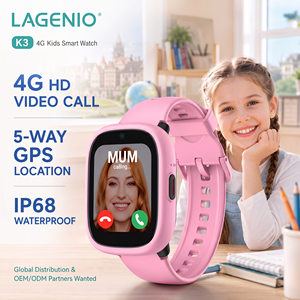
LAGENIO K3 4G Kids Smart Watch With SIM Card 1.7 Inch TFT Video Call IP68 Waterproof GPS WIFI LBS A-GPS CE Smart Watch For Kids
- 1.7" TFT Display
- IP68 Waterproof
- GPS+WIFI+LBS
- CE Certified
Explore our flagship ODM/OEM wearable lineup designed for international B2B buyers, medical distributors, and private label importers.
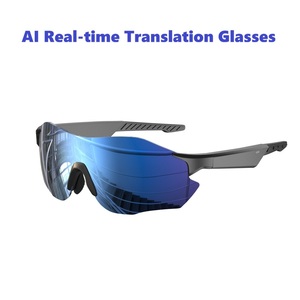
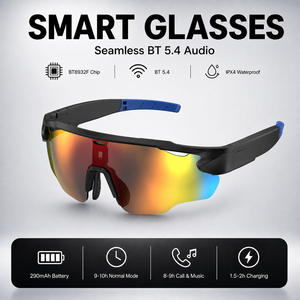
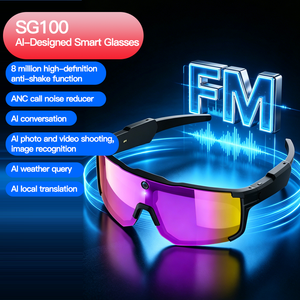
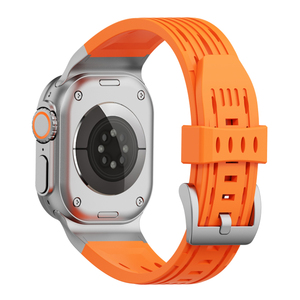
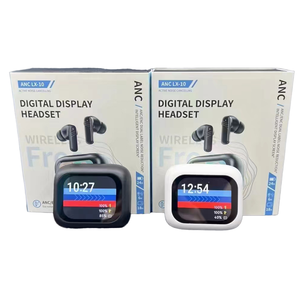

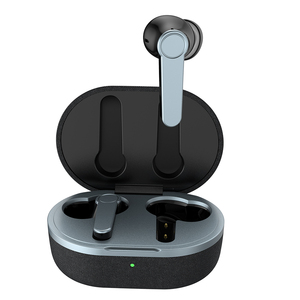
Backed by world-class precision engineering, compliant medical-grade cleanrooms, and robust international export logistics.


Hypertension remains the single largest preventable risk factor for cardiovascular disease (CVD) globally, affecting over 1.28 billion adults worldwide according to the World Health Organization (WHO). For decades, clinical evaluation relied on intermittent, in-office sphygmomanometer readings—a methodology frequently compromised by "white-coat hypertension" and an inability to track circadian nocturnal dipping patterns. The convergence of micro-fluidic engineering, optical sensor physics, and machine learning algorithms has ushered in a transformative era: cuffless and micro-oscillometric continuous blood pressure monitoring integrated into consumer wearables.
As enterprise procurement teams, healthcare solution providers, and consumer electronics brands source high-volume inventory, evaluating Top Trusted Blood Pressure Smartwatch Manufacturers & Exporters requires looking beyond aesthetic industrial design. Procurement specialists must analyze sensor architecture, optical signal processing (photoplethysmography), pulse transit time (PTT) algorithm accuracy, regulatory certification pathways (FDA 510(k), CE-MDR, ISO 13485), and real-world clinical validation data.
Key B2B Market Insight: The global smart health watch market is projected to reach $48.2 Billion by 2030, growing at a CAGR of 18.6%. The fastest-growing sub-segment consists of dual-modal blood pressure monitoring devices that combine optical PPG continuous screening with micro-air-pump cuff inflation for spot-check calibration.
Top-tier original design manufacturers (ODMs) and original equipment manufacturers (OEMs) have shifted from baseline optical estimation to hybrid sensory platforms. By integrating multi-wavelength optical sensors, bio-impedance sensors, and dual-lead ECG arrays, modern blood pressure smartwatches deliver actionable cardiovascular analytics directly to personal smartphones and remote patient monitoring (RPM) cloud dashboards.
When selecting a manufacturing partner, understanding the technological split between the two dominant blood pressure measuring modalities is critical for market positioning and regulatory compliance:
Micro-oscillometric technology scales traditional upper-arm cuff measurement down to wrist dimensions. A miniaturized piezoelectric micro-air pump inflates a double-layer ergonomic airbag embedded inside the watch strap. As the cuff deflates, high-precision MEMS pressure sensors record arterial wall oscillations, calculating Systolic Blood Pressure (SBP) and Diastolic Blood Pressure (DBP) based on physical pressure waves.
Cuffless monitoring relies on PTT—the time delay taken by a cardiac arterial blood wave to travel between two anatomical sites. By combining an Electrocardiogram (ECG) sensor (which captures the cardiac R-peak electrical signal) with a multi-spectral optical Photoplethysmography (PPG) sensor (which captures the microvascular blood volume pulse at the wrist), advanced algorithms calculate real-time arterial stiffness and blood pressure changes on a continuous 24/7 basis.
Utilizes Green (525nm), Red (660nm), and Infrared (940nm) LED channels to penetrate deep vascular tissues, eliminating dark skin tone bias and signal absorption noise.
Employs stainless steel or titanium alloy electrode rings to capture clean microvolt heart electrical signals, filtering baseline wander caused by arm movement.
Machine learning models calibrated against 500,000+ patient data points dynamically adjust for age, body mass index (BMI), and vascular resistance coefficients.
| Performance Metrics | Micro-Air-Pump Oscillometric | Cuffless Optical PPG + PTT | Traditional Upper-Arm Cuff |
|---|---|---|---|
| Measurement Accuracy | High (±3 to ±5 mmHg) | Trend Tracking (±8 mmHg) | Clinical Gold Standard |
| Monitoring Mode | On-Demand Spot Checks | Continuous 24/7 Passive Tracking | Manual / Intermittent |
| Calibration Need | Self-Calibrating Pneumatics | Requires Initial Baseline Cuff Setup | Annual Recalibration |
| Battery Impact | Moderate (Pump Motor Consumption) | Ultra-Low Power Efficiency | N/A (Battery/AC Powered) |
| Form Factor & Ergonomics | Slightly Thicker Strap (Double Layer) | Ultra-Sleek Modern Smartwatch Design | Bulky Desktop Unit |
| Best Commercial Use-Case | Medical RPM & Clinical Distribution | Mass Consumer Health & Sport Fitness | Hospital & Clinic Stations |
As global buyers negotiate contracts with manufacturers, product roadmaps must align with upcoming market demands. The next three to five years will redefine wearable health monitoring through several key innovations:
Traditional smartwatches depend heavily on smartphone Bluetooth pairing. Procurement trends show a 140% surge in demand for standalone cellular-enabled health smartwatches (such as 4G SIM platforms). By transmitting real-time systolic/diastolic spikes directly to hospital EHR systems via HIPAA-compliant MQTT/REST APIs, healthcare providers can intervene before hypertensive crises occur without requiring elderly users to operate smartphone apps.
Sensing hardware is no longer isolated to a single biometric metric. Leading factories are combining optical glucose trend estimation, continuous pulse wave velocity (PWV) measurement, blood oxygen saturation (SpO2), body temperature, and ECG arrhythmia detection into a unified, low-power system-on-chip (SoC). Sourcing multi-parametric devices maximizes consumer lifetime engagement and increases product retail margin.
Future-proof smartwatches do not merely output raw numbers; they provide predictive context. Integrated algorithms analyze Heart Rate Variability (HRV) stress markers, sleep apnea events, and daytime arterial pressure fluctuations to calculate an "Arterial Age Score" and "Stroke Risk Index." OEM partners offering customizable white-label SDKs empower brand owners to launch recurring subscription-based health monitoring services.
With stringent global environmental regulations (such as EU REACH, RoHS, and California Prop 65), manufacturers are transitioning to hypo-allergenic liquid silicone rubber (LSR) straps, titanium alloy watch cases, and non-corrosive PVD coatings. Water resistance standards are also advancing from basic IP67 to true 5ATM/IP68 submersion durability, ensuring long-term sweat resistance and skin safety.
Choosing the right manufacturing partner requires rigorous evaluation of operational scale, quality assurance protocols, and international compliance history. Our enterprise manufacturing capabilities stand at the forefront of the global smart wearable export ecosystem:
Automated SMT assembly lines Operating in Class 100,000 dust-free cleanrooms, ensuring pristine optical lens placement and zero particulate contamination on sensor boards.
Full technical documentation support for FDA Class II 510(k), CE MDR medical certification, FCC, CE-RED, RoHS, and Telec regional approvals for seamless customs clearance.
Over 50 Million units successfully shipped across North America, Europe, Asia-Pacific, and the Middle East, backed by robust supply chain resilience and strict MOQ flexibility.


Direct responses to critical questions raised by importers, healthcare distributors, and brand procurement managers during supplier audit processes.
Our micro-oscillometric models incorporate high-frequency MEMS pressure sensors combined with auto-inflating dual-layer airbags that adhere to ISO 81060-2 evaluation protocols. For cuffless optical models, we integrate multi-spectral PPG arrays (Green/Red/IR) with dual-lead ECG chips. The raw PPG/ECG signals undergo digital signal processing (DSP) to filter out motion artifacts, yielding pulse transit time (PTT) calculations with mean arterial pressure errors controlled within clinical research boundaries.
We provide full turnkey OEM/ODM customization. This includes custom structural enclosure tooling, CNC metal finishing, PCB layout engineering, custom firmware flashing, SDK / API integration for iOS and Android healthcare apps, custom watch face UI development, multilingual manual printing, and custom retail gift box packaging. Minimum Order Quantities (MOQs) vary depending on the depth of customization required.
Our production facilities operate under ISO 13485 (Medical Devices Quality Management Systems) and ISO 9001 standards. Our product lines hold CE, CE-RED, FCC, RoHS, REACH, and IP68 waterproof certifications. For medical-grade export lines, we assist brand partners with FDA 510(k) summary submission documentation and European CE-MDR technical files.
Yes. We provide comprehensive open RESTful cloud APIs and mobile SDKs (Swift for iOS, Java/Kotlin for Android) that enable secure data transmission. Biometric data—including continuous blood pressure logs, ECG waveforms, heart rate variability, and SpO2 levels—can be streamed directly into HIPAA and GDPR-compliant telehealth dashboards.
Standard OEM lead time ranges from 25 to 35 business days following sample sign-off and deposit receipt. Every unit undergoes a rigorous 100% multi-stage QC process: optical sensor calibration, micro-pneumatic pressure leak testing (for oscillometric models), thermal shock chamber exposure (-20°C to 60°C), IP68 waterproof immersion testing, 72-hour burn-in battery aging, and drop-impact resistance validation.
We back our manufacturing quality with an official 12 to 24-month factory warranty. For high-volume export orders, we provide 1% to 2% spare replacement units (RMA quota) free of charge with the main shipment, alongside dedicated technical support for component-level repair and localized customer service training.
Elevate your product portfolio with industry-leading blood pressure smartwatches, custom algorithm integration, and certified OEM/ODM production scalability.