
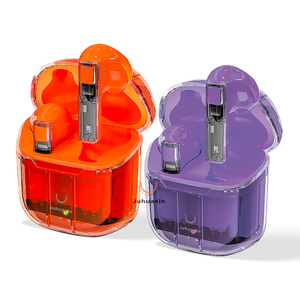
In the highly competitive consumer electro-acoustic landscape, selecting a tier-one China wholesale manufacturer requires rigorous evaluation of production engineering, acoustic validation standards, and quality management frameworks. Operating at the intersection of micro-acoustic innovation and mass-market scalability, our contract manufacturing facility delivers high-yield OEM/ODM solutions tailored for global brands, tier-one distributors, and enterprise procurement partners.
With over 50 million cumulative units deployed across worldwide markets and supported by a continuous stream of over 5 million direct consumer data points, our production ecosystem relies on empirical feedback loops to refine component durability, Bluetooth RF stability, and acoustic chamber ergonomics. Achieving an operational velocity of one unit distributed every five seconds, our facilities maintain strict adherence to ISO9001 quality management systems, BSCI social compliance protocols, and ISO14001 environmental standards.
Multi-layer structural gaskets combined with plasma-assisted nano-coating shield sensitive PCBA components against sweat acidity and saltwater immersion up to 1.5 meters.
Custom dynamic graphene dynamic drivers delivering balanced Sound Pressure Level (SPL) profiles with Total Harmonic Distortion (THD) constrained below 0.5% at 1kHz (94dB SPL).
Laser Direct Structuring (LDS) antenna placement ensuring omnidirectional Bluetooth signal coverage, eliminating packet loss across 15-meter operational distances.
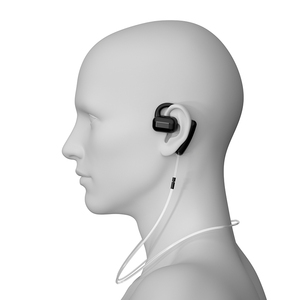
Modern wireless earbuds have evolved from simple audio playback devices into complex micro-electronic assemblies comprising dynamic sound transducers, digital signal processors (DSP), active noise cancellation (ANC) microphone arrays, and high-density lithium-polymer power cells. Achieving certified waterproof capabilities without dampening high-frequency acoustic fidelity represents one of the primary challenges in modern electro-acoustic engineering.
Traditional earbud assemblies relied on woven nylon mesh to prevent ingress of solid particles. However, nylon mesh fails under fluid dynamic pressure exceeding 0.1 bar. Modern OEM/ODM manufacturing utilizes expanded Polytetrafluoroethylene (ePTFE) acoustic membranes. These micro-porous membranes feature pore sizes thousands of times smaller than a water droplet, yet substantially larger than air and sound pressure waves. This structural property permits uninhibited displacement of air pressure inside the acoustic chamber, maintaining extended bass response while achieving IPX7 submersion performance (1 meter for 30 minutes).
For IPX8 ratings required in sports, marine, and swimming earbud applications, mechanical seals are supplemented with fluorocarbon PVD nano-coatings. Applied inside a vacuum plasma chamber, a ultra-thin polymer film (20 to 100 nanometers thick) attaches directly to the PCBA board, exposed solder joints, and battery protection circuits. In the event of fluid breaching outer rubber gaskets under high dynamic pressure (such as lap swimming stroke impacts), the underlying electronics remain entirely hydrophobic, preventing electrical short-circuiting and electrolytic copper degradation.
The integration of Bluetooth 5.3 and Bluetooth 5.4 SoCs (incorporating Qualcomm QCC-series or Realtek low-latency chipsets) has fundamentally altered the power and latency matrix of true wireless stereo (TWS) systems. The shift toward the LC3 (Low Complexity Communication Codec) under the LE Audio framework enables higher audio fidelity at half the bit rate of traditional SBC codecs. Consequently, battery capacity requirements can be optimized, reducing earbud housing volume and decreasing mechanical stress points where fluid ingress typically occurs.
As global consumer electronics retailers, telecom operators, and brand owners re-evaluate their supply chain strategies, the China wireless earbud manufacturing landscape is shifting toward specialized, value-added technology verticals. B2B procurement managers must align their product roadmaps with five critical structural trends driving wholesale supply chains over the coming decade.
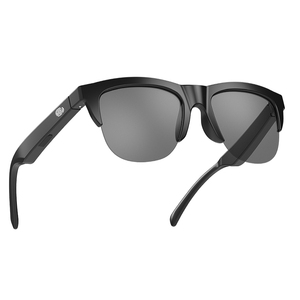
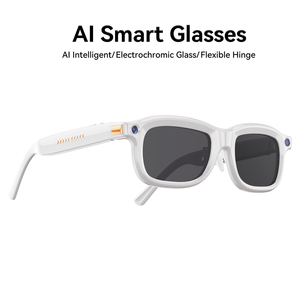
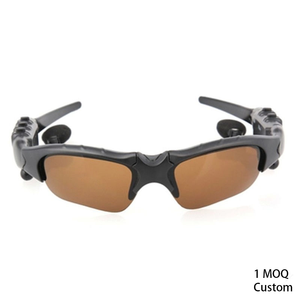
While traditional full in-ear silicone tip designs dominate active noise-cancelling categories, Open Wearable Stereo (OWS) and bone-conduction smart audio glasses are expanding rapidly in outdoor and sports markets. Procurement strategies are increasingly favoring dual-platform manufacturers who can share chipset tooling across both TWS in-ear models and open-ear directional audio platforms, maximizing return on tooling investments.
Consumer expectations for noise mitigation have moved beyond basic feedforward ANC. Current procurement contracts prioritize Hybrid ANC implementations utilizing dual MEMS microphones (feedforward external + feedback internal). Achieving -42dB to -48dB active noise reduction requires precise factory-level calibration of mic phase matching and dynamic filter gains. Manufacturers with automated acoustic testing chambers (such as SoundCheck or Audio Precision software integration) offer significant quality isolation advantages over low-tier assemblers.
Corporate Sustainability Directives in the EU and North America are forcing brands to audit their Tier-1 suppliers for carbon footprint transparency. Leading Chinese manufacturers are incorporating Post-Consumer Recycled (PCR) ABS plastics (ranging from 30% to 85% certified content) into charging case enclosures, utilizing eco-friendly water-based coatings, and eliminating single-use plastics from master packaging cartons.
| Performance Standard | Entry-Level Tier | Mid-Range OEM Tier | Flagship ODM Tier |
|---|---|---|---|
| Ingress Rating | IPX4 (Splash-proof) | IPX7 (1m Submersion) | IPX8 (1.5m Continuous Submersion + Salt Resistance) |
| Bluetooth Chipset | BT 5.0 / BT 5.1 Standard | BT 5.3 Low-Power MCU | BT 5.4 + LE Audio + Multi-Point Connectivity |
| Acoustic Driver Type | 6mm Dynamic PET Diaphragm | 10mm Dynamic Graphene Composite | 13mm Dynamic DLC (Diamond-Like Carbon) + Balanced Armature |
| Noise Cancellation | Passive Isolation Only | Single-Mic ENC (Environmental Noise) | Hybrid Adaptive ANC (-45dB) + Tri-Mic AI Beamforming ENC |
| Battery Optimization | 4 - 5 Hours (SBC Codec) | 7 - 8 Hours (AAC Codec) | 10+ Hours Single Charge / 40+ Hours with Charging Case |
Direct responses to common technical, commercial, and quality assurance questions raised by international procurement managers evaluating OEM/ODM manufacturing partnerships in China.
Request our comprehensive 2026 product catalog, detailed factory audit reports, unit price schedules, and technical specifications for custom OEM/ODM waterproof earbud projects.
