Half in-ear Bluetooth earbuds promise a light, open fit without silicone tips pressing into the ear canal. That can feel comfortable during a commute, a desk shift, or a quick walk around the block. But comfort is personal. A loose fit may shift when you turn your head, and open designs usually block less background noise than sealed earbuds. Small trade-offs matter.
Dr. Sean Olive, an audio researcher known for studying headphone preferences, offers a useful reminder. A fair paraphrase of his research is: “There is no single sound preference that suits every listener.” That matters when comparing earbuds. One listener may favor clear vocals for podcasts; another may want fuller bass for music. Fit, volume, and listening environment can change the experience, too.
This guide to the 10 Best Half In Ear Bluetooth Earbuds for 2026 focuses on practical details, not just feature lists. We’ll look at comfort, sound, call quality, battery life, controls, and connection stability. We’ll also note where a model’s open fit may be a poor match, such as a noisy train or a crowded street. Rankings cannot predict every ear shape. A promising pair may still slip. That’s worth admitting. The goal is to help you compare options with realistic expectations and choose earbuds that suit your everyday use.
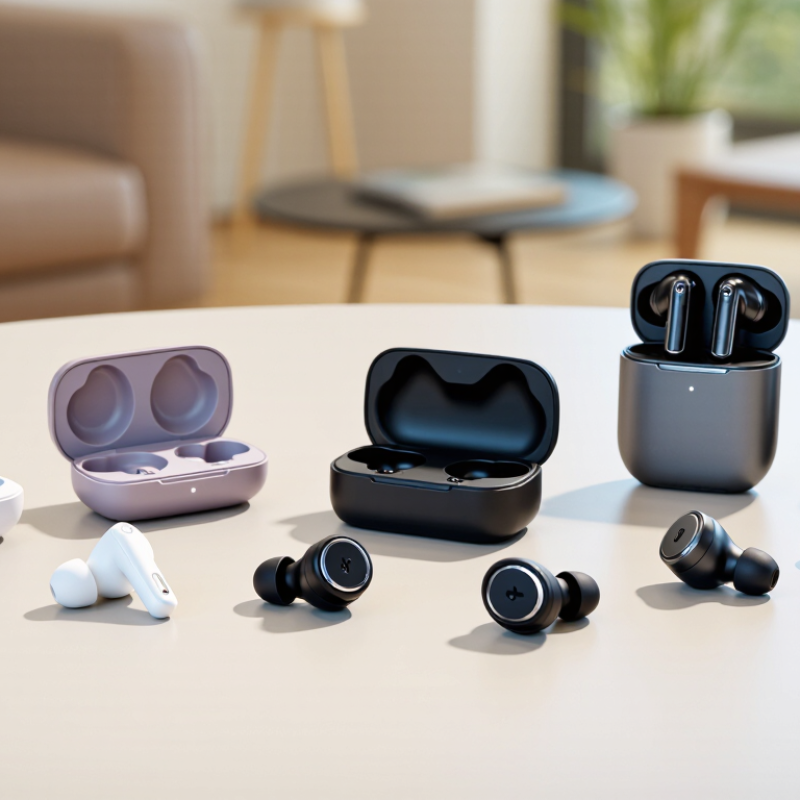
Half-in-ear earbuds sit at the entrance of the ear rather than sealing the canal with a silicone tip. Their shallow shape can feel less pressurized during a commute or a long desk session. Fit still depends on ear shape. A housing that feels secure in one ear may loosen when you chew or jog. Small movements matter. Before choosing a pair, check whether its shell rests comfortably without needing constant adjustment.
An open design leaves more outside sound audible, which can help you notice a nearby conversation or a bicycle bell. It does not guarantee safety, and busy streets still demand attention. There is a trade-off. Without a tight seal, low bass may sound lighter, and traffic or office chatter can mask quiet details. Sound may also leak outward in a quiet room, especially at higher volume. That is easy to overlook. In practice, compare comfort and clarity at a moderate listening level, then test the fit while walking. Open earbuds can suit relaxed listening, but they are not a substitute for noise isolation when surroundings are loud.
For half-in-ear earbuds, codec choice matters most when music gets busy: cymbals, voices, and bass can crowd each other. Bluetooth SIG’s LC3 evaluation reports say LC3 can deliver audio quality comparable to SBC at roughly half the bitrate. That is a meaningful efficiency claim, not a guarantee that every listener will hear a dramatic upgrade. Fit, noisy streets, and the earbud’s tiny drivers still shape what reaches your ears.
The comparison is useful because a lower bitrate sends less audio data per second. Bluetooth SIG’s LC3 technical material presents listening-test results supporting that half-rate comparison; Bluetooth Core Specification 5.2 defines LC3 for LE Audio, including 7.5- and 10-millisecond frame options. Those figures describe codec operation, not battery-life gains. Radio design and software also matter. Small distinction, big caveat.
When comparing models, check whether both earbuds and the source device support the same codec. A codec label alone says little about tuning or call quality. In a quiet room, listen for a clear vocal and crisp hi-hats; on a bus, background noise may hide subtle differences. I would not treat “half the bitrate” as “half the sound.” It is a strong efficiency result, but real listening tests can feel less tidy than a specification sheet.
Illustrative comparison based on the claim that LC3 can achieve comparable perceived audio quality at roughly half the bitrate of SBC.
Relative bitrate index (SBC = 100). This is a simplified representation, not a fixed bitrate specification; actual results vary with codec settings, implementation, and listening conditions.
Half-in-ear earbuds leave the ear canal open, so fit can shift when you walk or chew. Check stability with your phone in a pocket, not beside the earbuds on a desk. A crowded station is a better test than a quiet room. Bluetooth SIG’s 2024 Market Update estimates 5.4 billion Bluetooth device shipments in 2023 and projects 7.5 billion annual shipments by 2028. That growth shows how common wireless connections are, but it does not guarantee a steady link. Notice dropouts, reconnection delays, and audio cuts when moving between rooms.
Call quality deserves a real-world check.
Record a short voice message outdoors, then listen for wind, muffling, and clipped words. Small details matter. Half-in-ear microphones can struggle when traffic noise competes with speech, even if music sounds clear. Test touch controls while walking; accidental pauses and missed volume presses become irritating fast.
For compatibility, confirm support for your phone’s Bluetooth profiles and check whether multipoint switching works across your devices. Codec support can vary by operating system, too. I would not trust a specification sheet alone; advertised features do not always behave smoothly in daily use.
For 2026, this ranking puts secure fit, dependable battery life, clear sound, and everyday value ahead of flashy extras. Rank 1 is the balanced all-rounder: light shells, natural vocals, and enough power for a full commute. Rank 2 favors a snugger fit for brisk walks. Rank 3 prioritizes longer battery life for travel. Rank 4 suits listeners who want fuller bass without muddy speech. Rank 5 keeps controls simple and the price sensible. Fit is personal.
Ranks 6 through 10 serve more specific needs: a compact case for small pockets, gentle playback for podcasts, easy-to-reach buttons, a lightweight option for desk work, and a basic pair for occasional use. Half-in-ear designs can feel airy, but they may shift during movement and usually seal less than in-ear models. Check return terms and compare comfort over several hours; a quick try-on can miss pressure that appears later. Battery figures also depend on volume, call use, and charging habits. Rankings are useful, not perfect.
Tips: Test both ears, walk for ten minutes, and check that speech sounds clear at moderate volume. Don’t choose by battery claims alone.
When comparing half-in-ear Bluetooth earbuds, check the exact IP rating, not just phrases such as “sweat resistant.” IEC 60529 classifies protection against dust and water under specified laboratory conditions. The second digit describes water protection; a higher number generally indicates stronger tested resistance. Read the full rating, since some products list only limited protection.
Look for the rating in the product specifications or user manual, and confirm it applies to the earbuds themselves. The charging case may have a different rating—or none at all. A rating does not mean the earbuds are waterproof or suitable for swimming. Tests also cannot fully represent daily wear. Sweat, soap, and repeated drops can affect seals over time.
For a practical check, consider where you’ll use them: a damp walk, a warm workout, or a sudden drizzle. Keep the case dry, and let wet earbuds air-dry before charging. Small detail, big difference. Manufacturer claims are useful, but vague wording deserves caution. I’d compare the stated rating with the care instructions and warranty terms; those details can be easy to overlook. Even then, protection isn’t permanent, and a rating alone cannot predict how a particular pair will age.
Put your phone in a pocket and walk between rooms. Notice dropouts, audio cuts, and slow reconnections. A quiet desk test may miss problems.
Try both ears and walk for ten minutes. Chewing can shift the fit, and pressure may appear after several hours. Fit is personal.
Record a short voice message outdoors. Listen for wind, muffled speech, and clipped words. Clear music does not guarantee clear calls.
Yes. Try pausing music and adjusting volume while walking. Missed presses or accidental pauses can become irritating quickly.
Confirm your phone supports the earbuds’ Bluetooth profiles. Check multipoint switching and codec support across your devices. Features can behave differently by operating system.
Treat advertised figures as estimates. Volume, calls, and charging habits affect runtime. A long claim may not match your commute.
Check the exact rating and whether it covers the earbuds or case. The second digit describes water protection under specified tests. It does not mean waterproof.
Weigh fit, battery life, sound, controls, and price against your routine. Try them for several hours if possible. Rankings help, but they are not perfect.
Half in-ear Bluetooth earbuds offer a lightweight listening option that rests at the entrance of the ear rather than sealing the canal. This open fit can feel comfortable and help users stay aware of nearby sounds, but it may provide less noise isolation and bass than sealed designs. This guide compares the key features to consider in 2026, including Bluetooth stability, call clarity, physical or touch controls, and compatibility across phones, tablets, and computers.
It also explains how codec choice can affect wireless audio, noting that Bluetooth SIG information indicates LC3 can deliver sound quality comparable to SBC at about half the bitrate. The ten selections are assessed for fit, battery life, sound, and everyday value, while water-resistance claims are considered in the context of IEC 60529 IP ratings and manufacturer specifications. The aim is to help readers weigh comfort, practical performance, and protection before choosing a pair.
